
The email about open enrollment goes out three days before the deadline.
The compliance training reminder? Sent the morning it’s due.
And employee appreciation day? Almost forgotten. Again.
For too many HR teams, internal communication feels like a never-ending scramble. Not because they don’t care, but because they’re stuck in reactive mode.
This kind of chaos is equal parts stressful and costly. Missed messages lead to confused employees, low engagement, and growing frustration across the organization. HR becomes the bottleneck when it should be the bridge.
It doesn’t have to be that way.
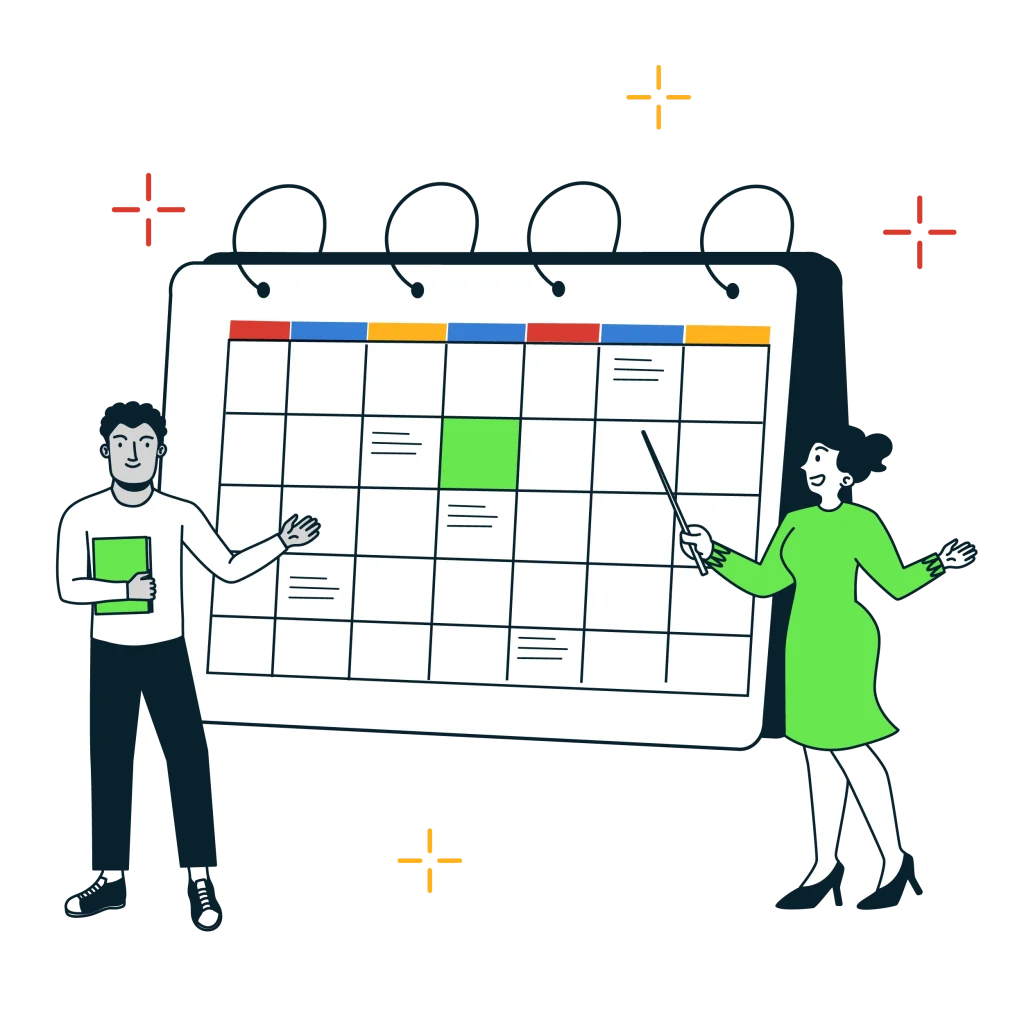
A good communication calendar gives your HR team room to think ahead. It helps you communicate strategically, not urgently. It turns that shared spreadsheet or dusty intranet page into a living tool your team actually uses, and even trusts.
A Calendar That’s Equal Parts Schedule and Strategy
It’s likely you already have some kind of calendar.
Maybe it’s a shared Google doc, a Trello board, or a file on someone’s desktop called “CommsPlan_FINAL_V3.” And technically, it works. Until it doesn’t.
The real value of a communications calendar isn’t in listing send dates. It’s in helping your team be intentional. It gives structure to the swirl of reminders, campaigns, policy updates, and recognition messages that HR is responsible for year-round.
Here’s what a good calendar brings to the table:
- Clarity – Everyone knows what communicates, when, and through which channels.
- Consistency – Messages go out regularly, not just when someone remembers.
- Stronger engagement – A steady rhythm helps avoid overload and keeps people informed.
- Room to improve – Seeing the full picture makes it easier to spot gaps and refine.
Instead of reacting, you’re planning. And that makes your communications more effective. That shift alone can reduce stress across your team.
Start With the Why: What Do You Want to Achieve?
Before you start mapping our emails and campaigns, take a step back and ask: What’s the point of all this communication?
Your calendar should reflect what HR wants to communicate this year. Just listing send dates isn’t enough. Maybe you want to improve benefits literacy, reduce policy confusion, or increase participation in engagement surveys. Whatever the goals, your calendar is how you bring them to life.
Start by defining 3-5 big-picture priorities for the year. These might come from your HR strategy, company OKRs, or employee feedback. Then, turn those priorities into measurable goals.
Example:
- Improve open enrollment participation by 20%
- Increase click-through rates on wellness content by 15%
- Reduce repeat policy-related HR tickets by half
- Boost recognition program nominations by 30%
- Get 80% of managers trained on the new review process by Q2
Once those goals are clear, they’ll help you decide what to communicate, when it needs to happen, and who needs to hear it.
Simple Structure, Big Impact: How to Plan Without the Overwhelm
With clear goals in place, it’s time to turn them into an outline. Most HR teams start with a yearly view, then break it down by quarter and month. That’s a solid approach, as long as it doesn’t become so detailed that no one wants to touch it.
Start simple. Think of your calendar as an outline, not the whole novel. You can always add depth as you go.
Plan in Layers
- Annual themes: What are your big yearly milestones? Think of open enrollment, performance reviews, compliance deadlines, and engagement surveys. Start there.
- Quarterly goals: Campaigns or initiatives that support those big milestones.
- Monthly and weekly actions: What gets sent, who it goes to, and how.
Reverse Engineer Your Way to Better Campaigns
Here’s a trick: work backward from your critical moments.
If open enrollment starts on October 15, you don’t start communicating on October 12. You plan backward from that date to build awareness, reminders, and decision support in advance.
This is where many HR calendars fall apart. They list when something happens, but not what needs to happen before that.
Let’s say your goal is to increase participation in your engagement survey in May. A backward approach might look like:
- April 15 – Email from leadership about why feedback matters
- April 22 – Team huddles with managers + talking points
- April 29 – First official survey invitation
- May 6 – Reminder via SMS
- May 10 – Live participation tracker shared
- May 15 – Final reminder and closing message
The same approach applies to training deadlines, benefits rollouts, onboarding sequences, and more. Reverse engineering creates room for ramp-up and better results.
Build a Format People Will Use
To keep everything clear (and collaborative), pick a calendar format that shows the essentials at a glance. You can use a spreadsheet, project management tool, or interactive calendar. Whatever works for your team.
Here’s a simple structure you can start with:
Date | Audience | Topic | Key Message | Channel | Owner | Status |
Oct 1 | All employees | OE Preview | Get ready to choose your benefits | Email + Video | HR Ops | Drafting |
Oct 7 | Managers | Talking Points | Help your team prep for OE | Manager toolkit | Comms | Scheduled |
This structure keeps everything visible without making it complicated. It also makes it easier to track status, hand off tasks, and measure what’s working.
Map the Moments That Matter
Now comes the part where your calendar starts to take shape. Here, you figure out what goes on it.
Don’t try to plan every message for the whole year in one sitting. Instead, start with the stuff you know is coming. These are the recurring campaigns and reminders that somehow still manage to sneak up on us each year.
A smart approach is to think in pillars. These are broad categories of internal comms that most HR teams manage, regardless of company size or industry.
Core Content Pillars to Build From
- Talent & Feedback
- Performance review cycles
- Check-ins (30/60/90 day)
- Engagement or pulse surveys
- Benefits & Rewards
- Open enrollment
- Wellness and EAP awareness campaigns
- Total rewards statements or compensation updates
- Compliance & Risk
- Required trainings
- Policy acknowledgements
- Safety updates or toolbox talks
- Culture & Experience
- DEI observances and heritage months
- Employee recognition or award announcements
- Leadership updates, town halls, or change updates
With this as your foundation, you can begin to layer in evergreen content and FAQs:
- “You Asked, We Answered” style benefits explainers
- Microlearning videos or digital postcards
- Quick polls, feedback requests, or newsletter roundups
Save your sanity and remember, you don’t have to own it all! Invite stakeholders to add recurring comms, too. Not only does it lighten their load, but it keeps employees from getting duplicate or conflicting messages.
Think Beyond the Calendar: Who Sends It, How, and Why It Matters
Once you’ve got a sense of what you need to communicate and when, the next step is figuring out how it gets delivered, and who makes it happen.
This part gets overlooked all the time. Messages go out from the wrong sender, managers forget to pass things along, or something gets stuck in the approval process and never goes out at all.
Avoid bottlenecks by working on these three things up front:
1. Channel Fit
Different messages need different formats. Use what fits the audience and the message.
Here are some examples:
- Email – Great for policy updates, campaign launches, and detailed info
- SMS or mobile alerts – Useful for field teams or urgent reminders
- Digital postcards – Great for quick, visual callouts (“Open enrollment is live!”)
- Intranet or microsites – Ideal for housing benefits info or FAQs
- Manager toolkits – Talking points and slide decks for cascade-style comms
- Videos – Use to explain complex topics like benefits or compensation changes
Tip: Explainer videos or interactive guides can make dry content feel more accessible. They’re even easier to share across multiple channels.
2. Ownership + Approval
Every message should have:
- A creator who writes and formats the content
- An owner who is responsible for getting it out the door
- An approver (if needed) often HR leadership or legal
Mapping this in your calendar saves a ton of last-minute confusion.
3. How You’ll Measure It
Not every message needs a KPI, but your big campaigns should track impact.
- Open and click-through rates (email or SMS)
- Video views or intranet traffic
- Survey participation
- Attendance at town halls or trainings
- Feedback from managers or pulse surveys
Keep it simple, and just be consistent. The point is to learn what’s working and make improvements over time.
Keep It Useful
Even the best HR comms calendar won’t run on autopilot. Things shift, priorities change, new initiatives pop up, and feedback rolls in. That’s all normal.
What matters is building in time to adjust your calendar, not just create it once a year and hope for the best.
The key is to review, refresh, and repeat.
Build a Feedback Loop
Have monthly or quarterly check-ins with your team to review what’s working. Take a look at the data. Are open rates dropping? Are messages getting ignored? Then, ask for feedback from employees and managers. Ask what’s clear, what’s confusing, and what’s missing.
Perfection isn’t the goal. It’s progress. Your calendar is a tool and not a rulebook. It should evolve with your team and your goals.
5 Quick Things You Can Do To Get Started
Feeling inspired but not sure where to start?
Here’s how to get things moving fast:
- Jot down your top three HR priorities for next year
- Pull last year’s comms to spot gaps, overlaps, or last-minute fires
- Draft a rough quarterly outline with one or two key campaigns per month
- Choose a calendar format your team will actually use
- Invite one partner (like IT or DEI) to co-plan recurring content with you
Need a head start?
Download our HR communications calendar to save time and build a foundation you can stick with.